Top Causes of Roof Damage Requiring Roof Repairs in Succasunna NJ

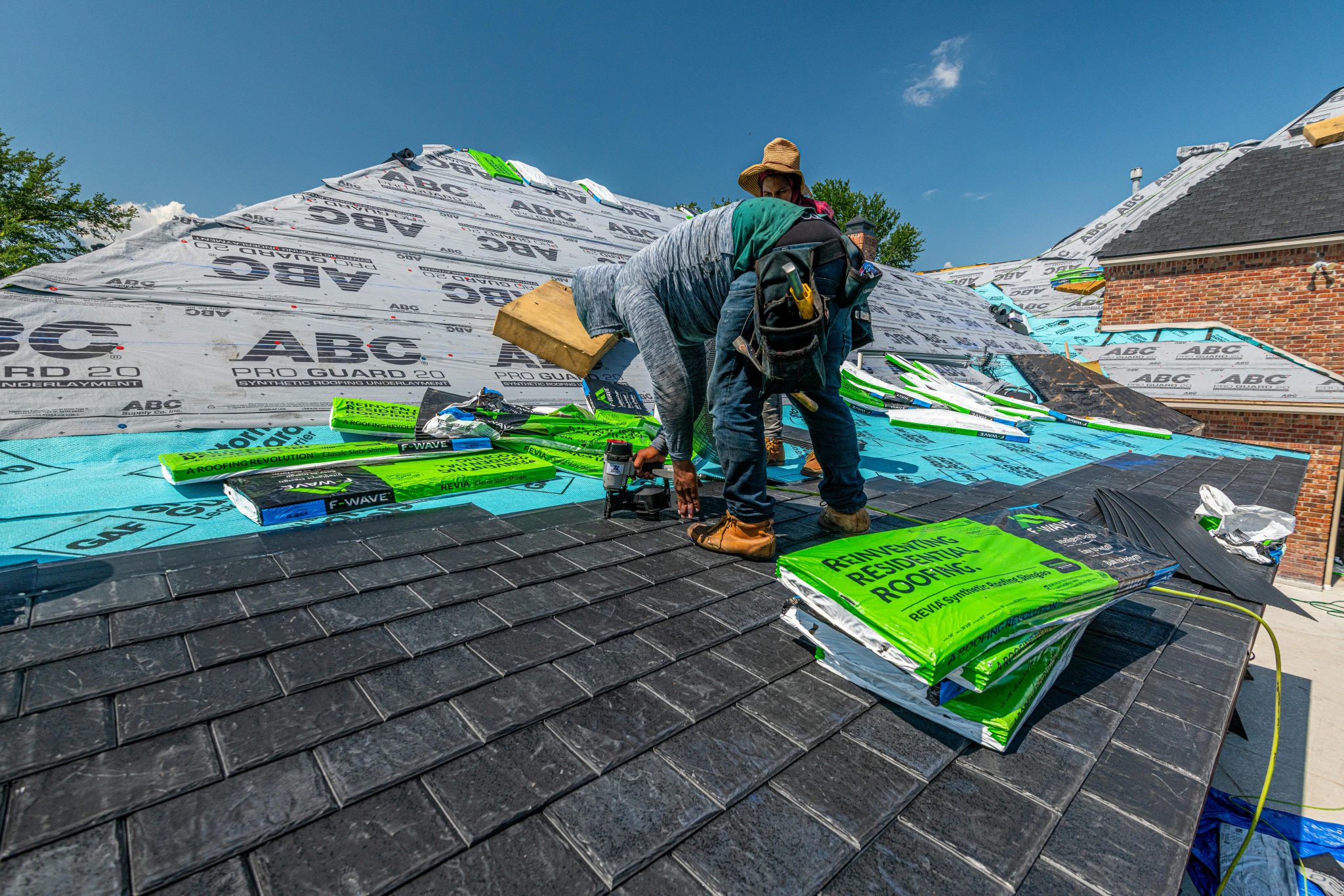
A roof in Succasunna rarely fails all at once. Most of the serious problems I see start small, then sit quietly through a season or two until a homeowner notices a stain on the ceiling, a draft in the attic, or shingles in the yard after a storm. By that point, the repair is usually more involved than it needed to be.
That pattern matters in northwestern New Jersey, where roofs deal with a little bit of everything. Succasunna homes see snow loads, freeze-thaw cycles, summer humidity, heavy rain, tree debris, and wind events that test flashing, shingles, gutters, and roof penetrations. A roof can look fine from the driveway and still have the early signs of failure around the chimney, in a valley, or under a row of curled tabs.
When people search for Roof Repairs Succasunna NJ, they are often reacting to a visible problem. Water spots on the second floor ceiling. Missing shingles after a gusty night. Ice backing up at the eaves in January. The visible symptom is important, but it is not always the actual cause. Good roof repair starts with understanding what damaged the system in the first place, otherwise https://kameronogsm531.capitaljays.com/posts/roof-repairs-succasunna-nj-protecting-homes-from-hidden-damage the same leak comes back six months later.
Storm damage that goes beyond missing shingles
Wind and rain are the most obvious culprits, but storm damage is not limited to dramatic events. A single strong storm can strip shingles or peel flashing loose, yet a series of moderate storms can be just as destructive over time. The roof system weakens piece by piece.
On asphalt shingle roofs, wind usually attacks the edges first. Once the adhesive seal between shingles breaks, the tabs can lift repeatedly. That repeated lifting stresses the fasteners, cracks the shingle mat, and lets water drive underneath. Homeowners often notice only the shingles that blew off, but the bigger issue may be the surrounding field of shingles that has lost its seal and become vulnerable in the next storm.
Rain compounds the problem. Wind-driven rain does not always follow gravity in the neat way people expect. It can push uphill under a loose shingle edge, enter around exposed nails, or seep through a small gap in flashing. I have seen leaks show up eight or ten feet away from where water first entered, especially on roofs with a finished attic or complicated framing. That is one reason roof leak diagnosis can be frustrating for homeowners. The stain is real, but it is rarely a map.
Hail is more variable in this area, but when it hits, the damage is often subtle. Asphalt shingles can lose granules, develop bruising, or crack in a way that shortens their lifespan even if they do not leak immediately. Metal vents, gutters, and soft flashing materials usually reveal hail impact more clearly than the shingles themselves. A roof can survive the week after a hailstorm and still need Roof Repairs later because the protective surface has been compromised.
Ice dams and freeze-thaw stress
Winter in Succasunna is hard on roofs, particularly older ones or homes with uneven attic insulation. Ice dams form when heat escapes into the attic, warms the roof deck, and melts snow higher up the roof. That meltwater runs down to the colder eaves, where it refreezes. Once enough ice builds up, water can back up under shingles and soak the roof deck, fascia, and interior finishes.
People often assume the gutter is the whole issue because they see icicles hanging there. The gutter may be part of it, but ice dams usually point to a combination of heat loss, inadequate ventilation, and poor drainage at the roof edge. You can repair the visible roof damage and still have the same problem next winter if the underlying attic conditions stay the same.
Freeze-thaw cycles also damage masonry chimneys, sealants, and flashing details. Water enters a hairline crack, temperatures drop, the water expands, and the crack gets wider. By late winter or early spring, a small weakness around a chimney chase or counterflashing detail can become a recurring leak. This is especially common on homes where original flashing was never upgraded during a previous reroof.
One of the more expensive surprises after an ice dam season is deck rot along the eaves. The shingles may still be present, but the plywood or plank decking underneath has softened from repeated moisture exposure. In those cases, roof repairs are no longer just about replacing a few shingles. They involve opening the edge, replacing damaged wood, correcting underlayment details, and sometimes rebuilding sections of fascia or soffit.
Aging shingles and the slow loss of protection
Not every damaged roof has a dramatic backstory. Plenty of roofs in Succasunna need repair simply because materials age out at different speeds. Shingles lose flexibility over time. Granules wear away. Seal strips weaken. Flashing oxidizes. Rubber boot flashings around plumbing vents dry out and crack. Caulks that once looked neat and waterproof become brittle and separate from the surfaces they were supposed to protect.
Aging damage is often mistaken for bad luck. A homeowner sees a ceiling stain after a rainstorm and blames the storm alone, but the storm was just the moment when an already tired roof finally gave in. An older shingle roof might survive fifteen years of ordinary weather, then fail during a perfectly average rain because the materials no longer have any margin left.
Sun exposure contributes more than many people realize, even in a place known for winter weather. South-facing and west-facing slopes often age faster because they see stronger UV exposure and bigger temperature swings. You may find one side of the roof still lying fairly flat while the sunnier slope shows curling tabs and significant granule loss. That difference matters when deciding whether spot repairs make sense or whether a larger section is nearing the end of its service life.
The hardest conversations usually happen when a roof is old enough that every repair solves only the current leak. In that situation, the repair itself can be done correctly and still not be the most economical choice long term. Judgment matters. Good contractors do not push replacement when a repair is clearly enough, but they also should not pretend an exhausted roof has many healthy years left.
Flashing failures around chimneys, skylights, and walls
If I had to point to one category that causes a disproportionate number of leaks, it would be flashing. Shingles handle the bulk of water shedding, but flashing protects the joints, transitions, and penetrations where roofs are most vulnerable. When flashing is poorly installed, corroded, undersized, or patched carelessly, leaks follow.
Chimneys are a classic trouble spot. They interrupt the roof plane, create corners where debris collects, and rely on a multi-part flashing system that must work together. Step flashing, counterflashing, and the back pan all have roles. When any one of those pieces is missing or improperly integrated with shingles, water finds an entry point. Smearing roofing cement around the base of a chimney might stop a leak briefly, but it is almost never a durable fix.
Skylights are another common source of trouble, especially older units. The skylight itself may be fine, but the perimeter flashing, seals, or surrounding shingles may have failed. Condensation can also confuse the diagnosis. I have seen homeowners assume they had a roof leak when the real issue was interior humidity collecting on a cold skylight shaft. Other times, the skylight frame has shifted just enough to break the weather seal. The fix depends on identifying which of those conditions is actually present.
Where a roof meets a vertical wall, flashing errors are common and often hidden. Siding installers, roofers, and remodelers sometimes leave gaps in responsibility at these intersections. A roof-to-wall detail needs proper layering so water sheds out, not behind siding or trim. If that detail is wrong, leaks can soak sheathing and framing for a long time before they become visible indoors.
Clogged gutters and poor drainage at the roof edge
Gutters are not technically part of the roof covering, but they protect the roof system every day. When gutters clog with leaves, seed pods, and asphalt granules, water backs up at the eaves and can wet the roof edge, fascia, and soffit. During heavy rain, overflowing gutters dump water against siding and foundations. In winter, slow-draining gutters contribute to ice buildup that worsens ice dam conditions.
Succasunna has many neighborhoods with mature trees, and that changes the maintenance equation. A roof under heavy tree cover can collect debris fast, especially in the fall. Oak leaves and small twigs do not look dangerous from the ground, but they trap moisture on the roof surface and in valleys. Over time, trapped debris can accelerate shingle wear and hide developing damage.
I have also seen gutter issues cause what homeowners describe as a “roof leak” near windows or corners of rooms. In reality, water was overflowing from a clogged upper gutter, running behind trim, and entering the wall assembly. The source was at the roof edge, but the symptoms appeared lower and farther inside. Without a full exterior inspection, it is easy to misdiagnose that kind of water intrusion.
Poor drainage is sometimes a design issue as much as a maintenance issue. Short downspouts, undersized gutters, or roof sections that dump into narrow valleys can overwhelm the system during a hard rain. Roof Repairs in those situations should include at least a conversation about water management. Otherwise, the repaired area remains under more stress than it should.
Tree limbs, shade, and abrasion damage
Trees make properties look established and comfortable, but they are hard on roofs. Overhanging limbs drop branches, scrape shingles in wind, and keep roof surfaces damp longer after rain or snow. Even light abrasion from repeated branch contact can remove granules and expose the shingle surface to faster deterioration.
The risk goes up when limbs hang over ridges, valleys, or roof penetrations. Those are already more sensitive areas. Add branch impact or rubbing, and a minor weakness turns into a leak path. After storms, fallen limbs may leave obvious punctures, but more often the damage is gradual. A branch taps or drags over the same area for years, and then one day the underlayment is exposed.
Shade is a mixed blessing. It can reduce summer heat gain, but it also slows drying. On north-facing slopes or heavily shaded rear roof sections, moss and algae can establish more easily if moisture lingers. Moss is not just cosmetic. It holds water against the roof surface and can lift shingle edges, especially on older roofs where the tabs have already weakened.
Trimming back trees is one of the least glamorous ways to extend roof life, yet it works. It reduces debris, limits abrasion, and improves drying conditions after storms. It also makes inspections easier, which matters because roof problems hidden by branches often go unnoticed until interior damage appears.
Roof valleys take more abuse than most homeowners realize
A valley is where two roof planes meet, and it handles a concentrated flow of water. That makes it one of the first places to show wear. On homes with complex rooflines, dormers, or additions, valleys can become the highest-stress parts of the entire roof.
When shingles in a valley begin to wear, crack, or lose granules, water exposure increases quickly because runoff there is heavier than on the open field of the roof. Debris buildup worsens the situation by slowing drainage and trapping moisture. If the valley lining underneath was poorly installed or has deteriorated, leaks can begin even when nearby shingles still look acceptable.
I remember one house where the homeowner was convinced the problem had to be around a bathroom vent because the stain appeared nearby on the ceiling. The actual leak came from a valley several feet uphill where leaves had packed into a low spot. Water had been spilling sideways beneath the shingles during every heavy rain. The vent was innocent. The valley was the real story.
Valley repairs need precision. Matching shingle exposure, protecting the liner, and managing water flow are more important there than on a broad, simple slope. It is also one of the areas where low-cost patching tends to fail fastest.
Vent pipe boots and roof penetrations wear out early
Small components cause a surprising number of leaks. Plumbing vent boots, furnace flues, bathroom fan exhausts, satellite mount points, and solar attachments all interrupt the roof surface. Every penetration is a place where water must be redirected properly.
On many homes, the rubber collar around a plumbing vent pipe fails before the surrounding shingles do. UV exposure and temperature swings dry the rubber, causing cracks that allow water to follow the pipe into the attic. From the ground, the roof may look perfectly fine. Up close, the boot is split and the leak is one hard rain away.
Metal flashings around exhaust vents can also loosen or corrode. Fasteners back out over time, sealants shrink, and protective coatings wear off. If a bathroom exhaust fan terminates improperly in the attic rather than venting outdoors, the added moisture can mimic a roof leak by causing condensation on nails, sheathing, and insulation. That distinction matters because replacing shingles will not solve a ventilation mistake.
Modern roofs also face newer penetration challenges. Satellite dishes, solar conduit, and aftermarket equipment can all create leak risks if attachments are not flashed correctly. Every extra hole in the roof raises the stakes for workmanship.
Improper repairs and installation shortcuts
Some roof damage is caused less by weather than by prior workmanship. I have seen leaks created by exposed nails, reused old flashing, shingles woven incorrectly in valleys, underlayment stopped short at critical areas, and sealant used as a substitute for proper mechanical flashing. These shortcuts may not fail immediately, which makes them harder to catch until the roof is tested by real weather.
Patchwork repairs are especially risky on older roofs. A handyman might replace a few shingles and seal visible cracks, but if the repair ignores the surrounding brittle shingles or the failed flashing beneath, the roof remains vulnerable. Homeowners then assume the roof itself is impossible to fix, when in reality the previous repair was incomplete.
There is also a common temptation to focus only on what can be seen from the exterior. Yet water often damages decking, underlayment, insulation, and interior finishes before anyone opens the roof. A proper repair sometimes requires lifting a wider area than expected to confirm the substrate is sound. That can feel invasive, but it is far better than covering over rotten wood and hoping for the best.
A quick way to think about risky roof work is this:
- Exposed or misplaced fasteners let water in faster than most people expect.
- Heavy use of roof cement often signals a short-term patch rather than a lasting repair.
- Reusing old flashing saves a little money up front and creates bigger costs later.
- Mismatched materials can move differently with temperature changes and open gaps.
- Repairs done without checking the attic often miss hidden moisture damage.
Animal activity and hidden entry points
Wildlife damage does not get the same attention as storms, but it causes real problems. Squirrels, raccoons, birds, and even insects exploit loose soffits, gaps near vents, and weakened fascia. Once animals gain access, they can tear insulation, widen openings, and create moisture issues that spread beyond the roof itself.
Raccoons are particularly destructive because they are strong enough to pull at shingles, ridge vents, and soffit panels. Squirrels tend to chew and nest, turning a small gap into a larger one over time. Birds can clog exhaust terminations and build nests in places where airflow matters.
Animal-related roof damage often shows up first as staining, odors, or noise rather than a visible leak. By the time the roof is inspected, there may be chewed wood, displaced insulation, and secondary water intrusion around the entry point. Repairing that type of damage means more than sealing the hole. The surrounding materials need to be checked carefully for hidden deterioration.
How homeowners in Succasunna can catch damage early
Most expensive roof problems give some warning. The challenge is that the warning signs are easy to dismiss when life gets busy. A little granule loss in a gutter. A tiny ceiling spot during a wind-driven rain. A drip that appears only when snow starts melting. Those are the moments when a modest repair can still prevent structural damage.
The most useful habit is seasonal observation. Not a risky climb onto the roof, just a careful look around the property and inside the attic when conditions change.
A practical inspection routine usually includes the following:
- After major storms, look for missing shingles, bent flashing, and debris impact from the ground.
- In fall and spring, check gutters for clogs and for excess shingle granules collecting in downspout outlets.
- During winter thaws, watch for ice buildup at the eaves and water staining on exterior trim.
- Inside the attic, look for dark sheathing, wet insulation, rusty nail tips, or daylight around penetrations.
- Pay attention to musty odors or fresh ceiling discoloration, even if the stain seems minor.
When a repair makes sense, and when it may not
Not every damaged roof needs full replacement. If the roof is generally in good shape and the issue is isolated, such as a failed pipe boot, a small flashing problem, or limited wind damage, targeted Roof Repairs are often the smart choice. They cost less, preserve useful life, and can restore weather protection effectively when the surrounding materials are healthy.
Repair becomes less attractive when the roof has widespread granule loss, brittle shingles, multiple recurring leaks, or significant deck damage. At that stage, fixing one area can be like patching one dry spot on a sponge. Water may be entering elsewhere next month. The right answer depends on age, overall condition, ventilation, and how many parts of the system are still performing.
That is why homeowners looking for Roof Repairs Succasunna NJ should value diagnosis as much as price. A good evaluation separates the symptom from the cause, identifies whether the damage is isolated or systemic, and explains the trade-offs clearly. Sometimes the cheapest bid is cheap because it addresses only the visible leak and ignores the reason it happened.
A roof does not need perfection to do its job, but it does need sound details at the places where water, wind, snow, and time apply the most stress. In Succasunna, that means paying attention to flashing, ventilation, drainage, tree exposure, winter ice patterns, and the real condition of aging materials. Roof damage rarely begins as an emergency. More often, it becomes one because the small signs were easy to miss.
Royalty Exteriors
Address: 151 NJ-10 Ste 103A, Succasunna, NJ 07876
Phone number: +19733337234
FAQ About Roof Repairs Succasunna NJ
How much should I pay for roof repairs?
Most homeowners pay an average of $900 to $1,200 for roof repairs, with typical projects ranging from $150 to $3,000+ depending on the severity of the damage.
What are the most common roof repairs?
The most common roof repair is fixing water leaks by replacing damaged, cracked, or missing asphalt shingles and sealing compromised flashing.
Does homeowners insurance pay for roof repairs?
Homeowners insurance pays for roof repairs only if the damage is sudden and accidental, such as from a storm, hail, or a falling tree.